 African Mud Cloth
Loading...
 African Mud Cloth
Mud Cloth
QTY
Price
> 1 units
R950,00
R950,00
EXCLUDES VAT.
EXCLUDES VAT.
- Description
- DIMENSIONS
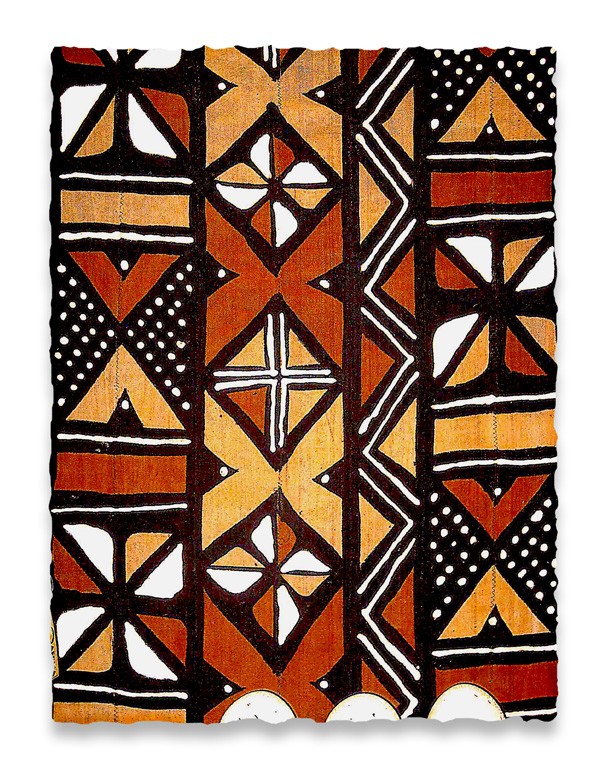
African Mud Cloth, known as Bogolanfini, is one of Africa's most celebrated traditional textiles. Originating in Mali, this remarkable fabric is handcrafted using techniques that have been passed down through generations of skilled artisans.
The process begins with locally grown cotton, which is spun into thread and handwoven into narrow strips on traditional looms. These strips are then carefully sewn together to create a larger piece of fabric.
The woven cloth is washed and dyed using natural plant extracts made from leaves, bark, and roots. This creates a rich yellow or tan base that prepares the fabric for the next stage.
Once the cloth has dried, artisans hand-paint intricate designs using fermented river mud. The mud contains natural minerals that react with the plant-based dye, turning the painted areas into deep brown or black patterns. After the mud has remained on the fabric for several days, it is washed away, revealing the permanent designs.
To enhance the contrast, sections of the cloth may be repeatedly dyed, painted, washed, and sun-dried. This labor-intensive process can take several weeks, with each stage completed entirely by hand. The finished textile is soft, durable, and rich in natural variations that make every piece unique.
The geometric patterns found on Mud Cloth are far more than decoration. Many designs symbolize important cultural values, historical events, social status, protection, courage, fertility, wisdom, or community. Traditionally, these textiles were worn during significant ceremonies and life milestones, with each pattern carrying a story or message understood within the community.
Today, African Mud Cloth continues to be admired for its authentic craftsmanship, sustainable production methods, and timeless design. Whether used for home décor, fashion, upholstery, or art, every piece represents centuries of tradition and the dedication of the artisans who create it by hand.
The process begins with locally grown cotton, which is spun into thread and handwoven into narrow strips on traditional looms. These strips are then carefully sewn together to create a larger piece of fabric.
The woven cloth is washed and dyed using natural plant extracts made from leaves, bark, and roots. This creates a rich yellow or tan base that prepares the fabric for the next stage.
Once the cloth has dried, artisans hand-paint intricate designs using fermented river mud. The mud contains natural minerals that react with the plant-based dye, turning the painted areas into deep brown or black patterns. After the mud has remained on the fabric for several days, it is washed away, revealing the permanent designs.
To enhance the contrast, sections of the cloth may be repeatedly dyed, painted, washed, and sun-dried. This labor-intensive process can take several weeks, with each stage completed entirely by hand. The finished textile is soft, durable, and rich in natural variations that make every piece unique.
The geometric patterns found on Mud Cloth are far more than decoration. Many designs symbolize important cultural values, historical events, social status, protection, courage, fertility, wisdom, or community. Traditionally, these textiles were worn during significant ceremonies and life milestones, with each pattern carrying a story or message understood within the community.
Today, African Mud Cloth continues to be admired for its authentic craftsmanship, sustainable production methods, and timeless design. Whether used for home décor, fashion, upholstery, or art, every piece represents centuries of tradition and the dedication of the artisans who create it by hand.
Length
160 cm
Width
95 cm
Weight
500 g